Our Programs
Home / Our Programs
TUJIJENGE FOUNDATION
Building Resilient Futures with Communities
our programs
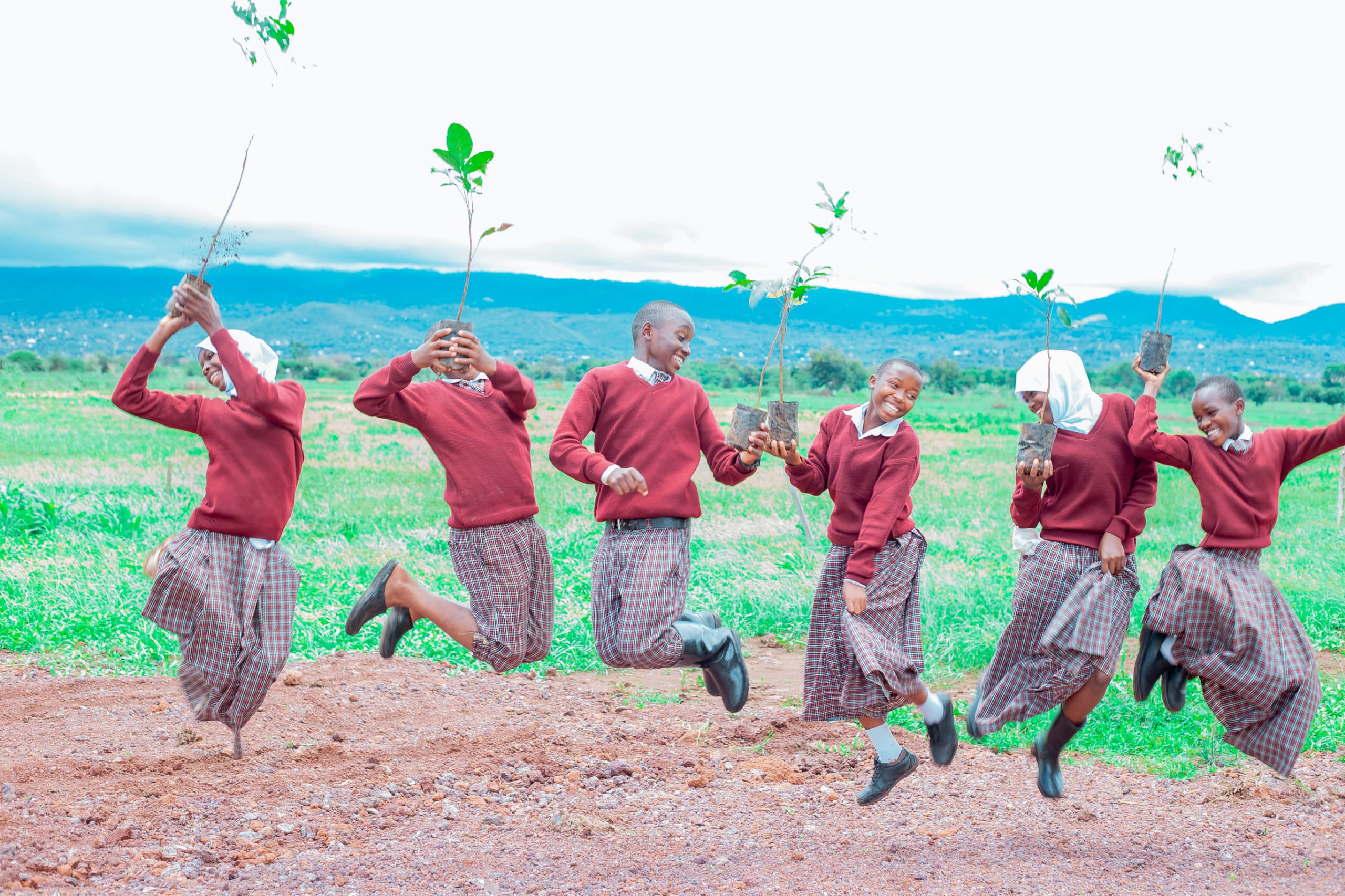
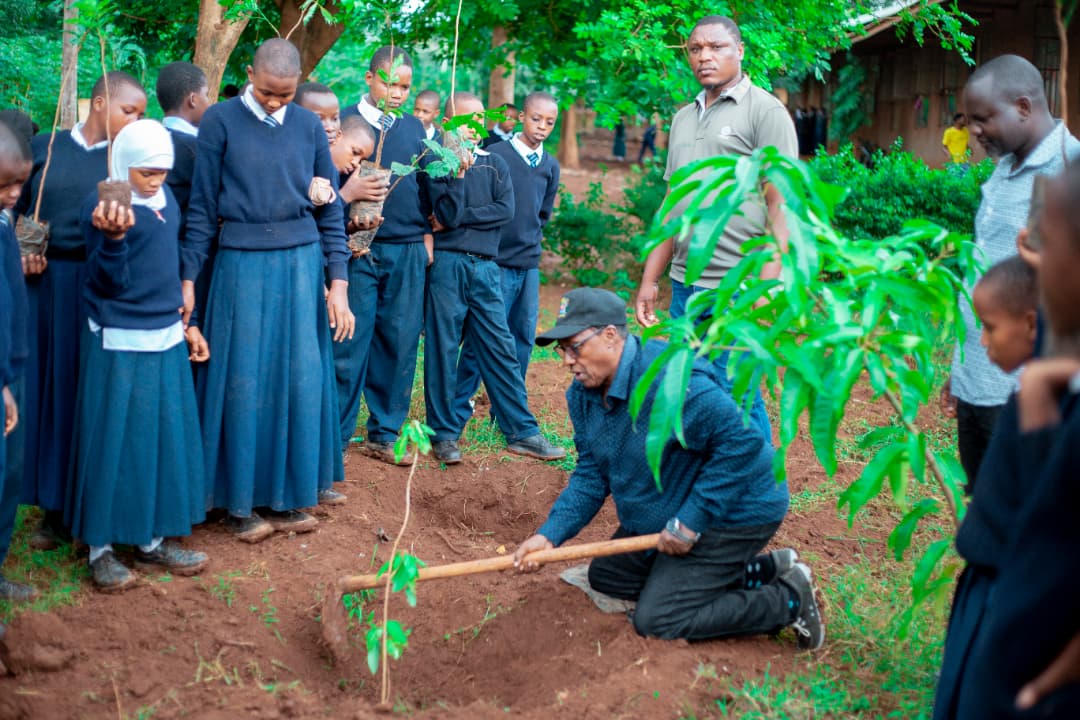
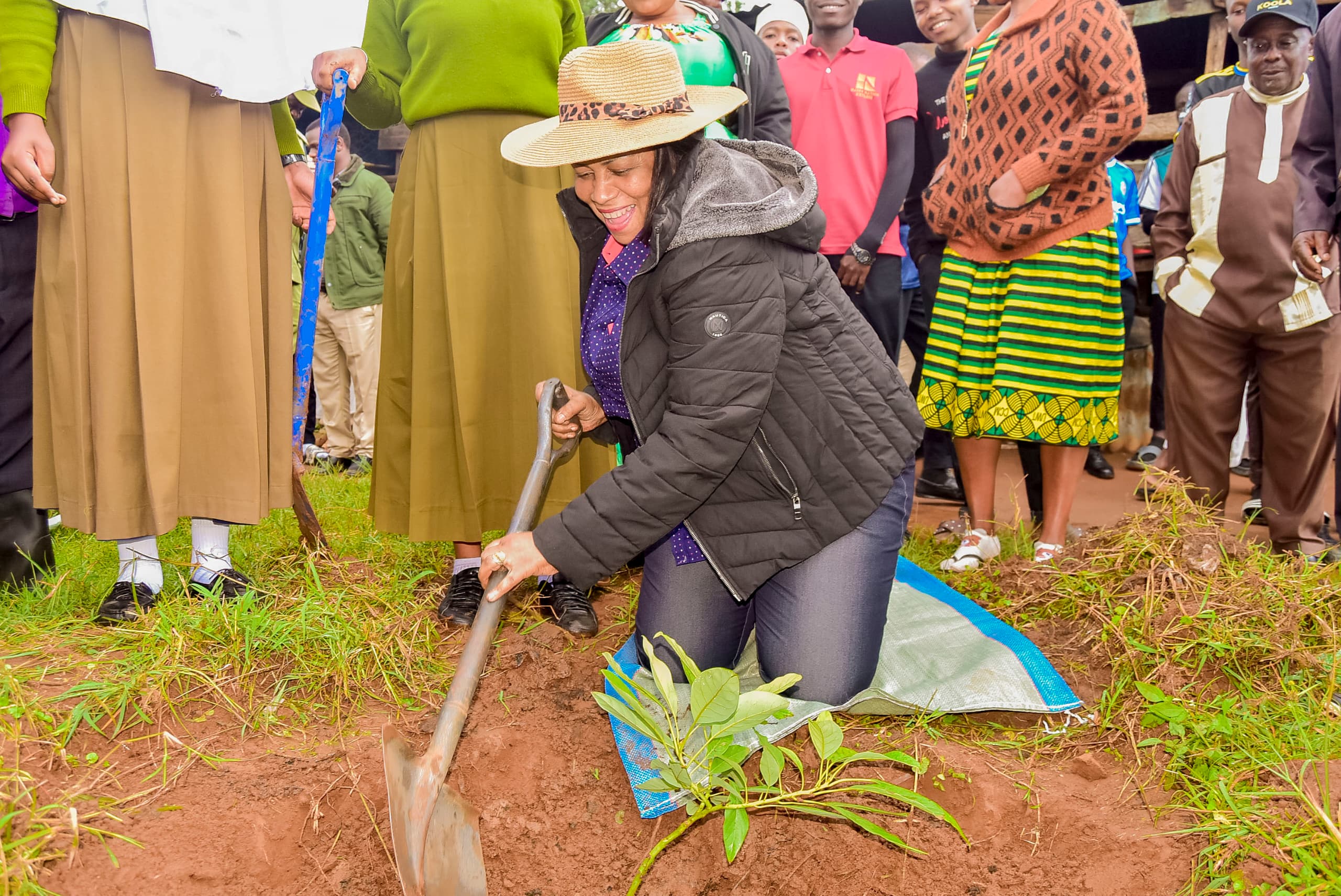
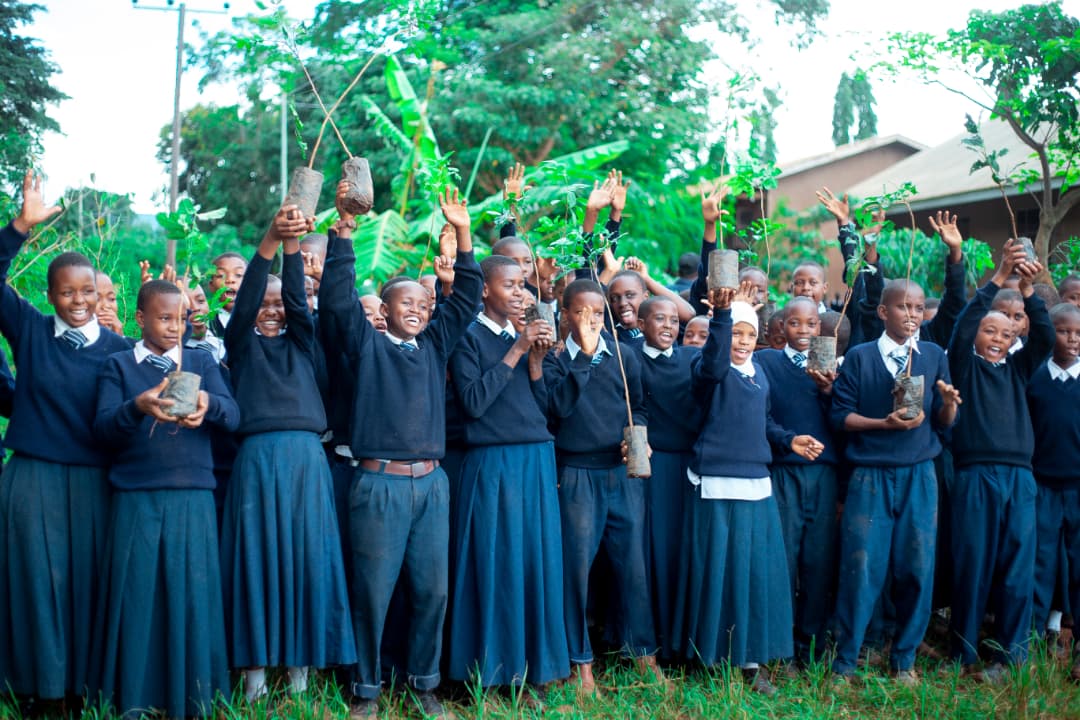
Greening Schools
Secondary schools educate millions of Tanzanian students and play a decisive role in shaping the country’s future workforce, professional class, and leadership. Climate variability is increasingly undermining school functionality through water scarcity, extreme heat, flooding, sanitation breakdowns, and disruptions to food supply systems.
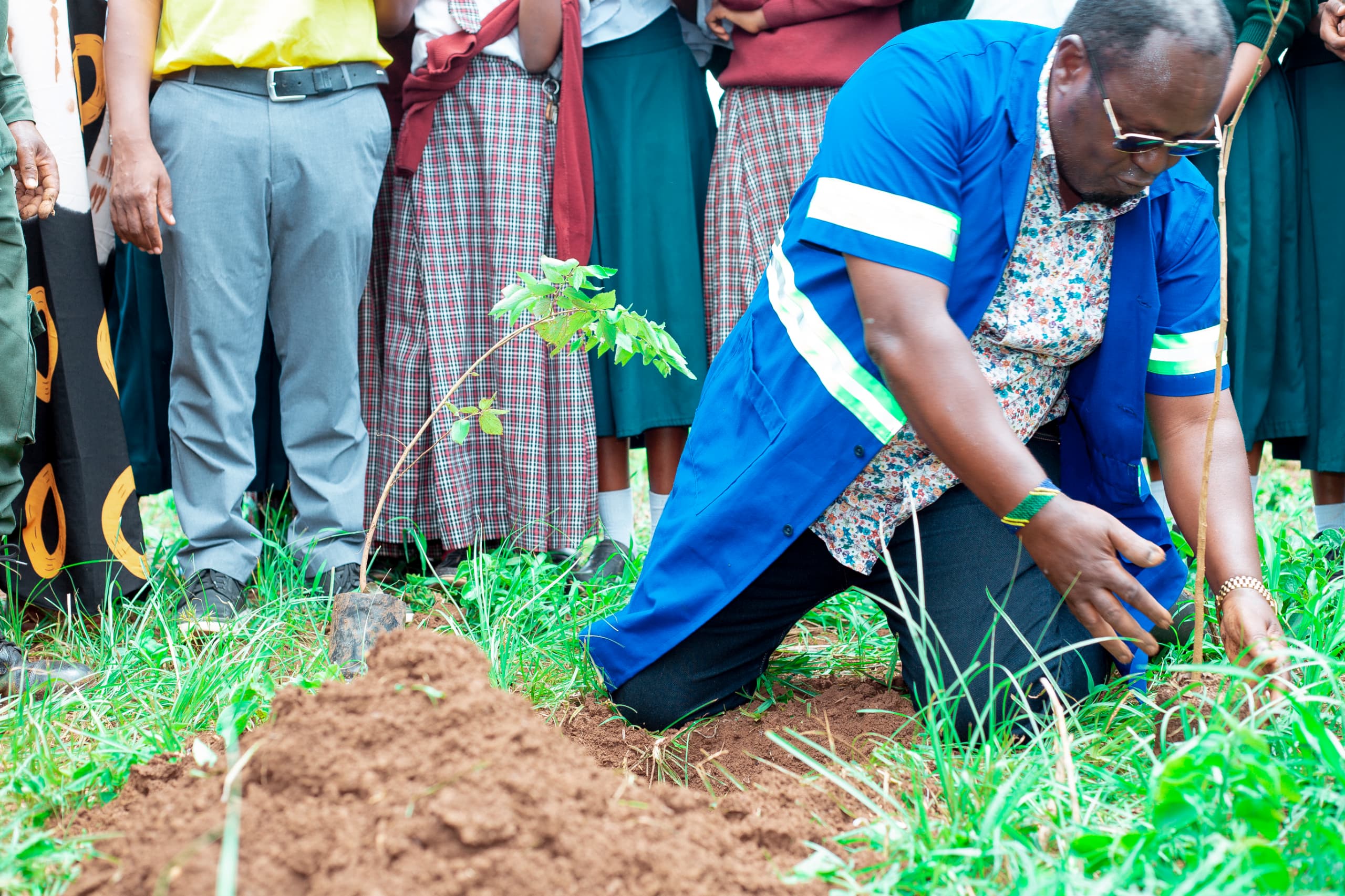
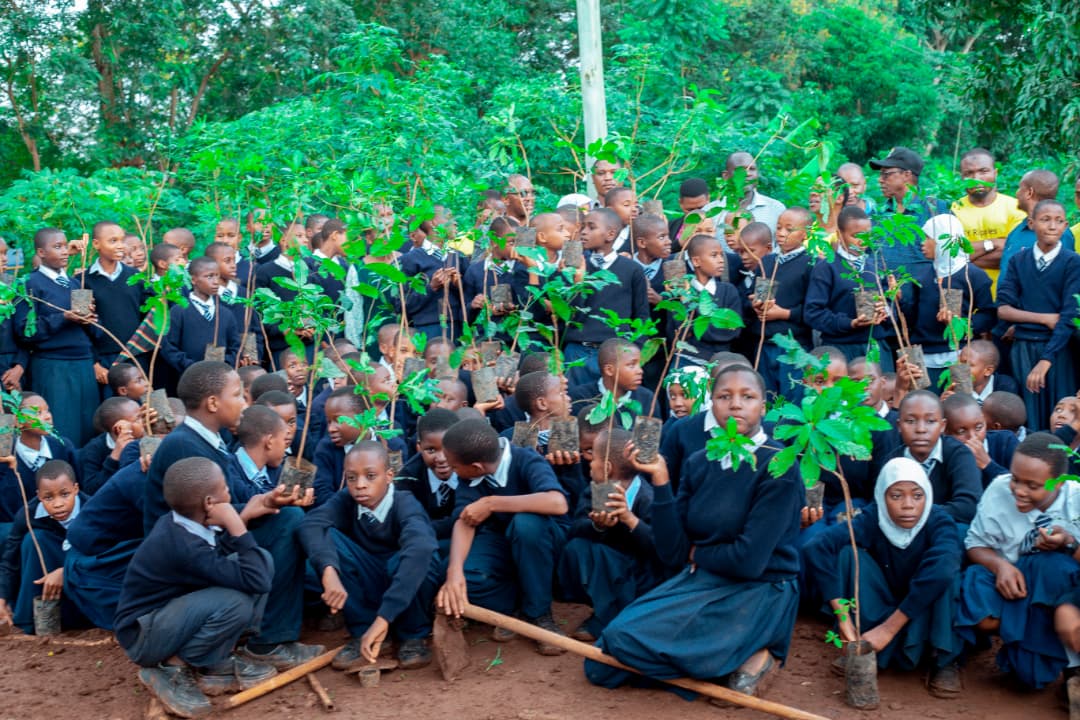
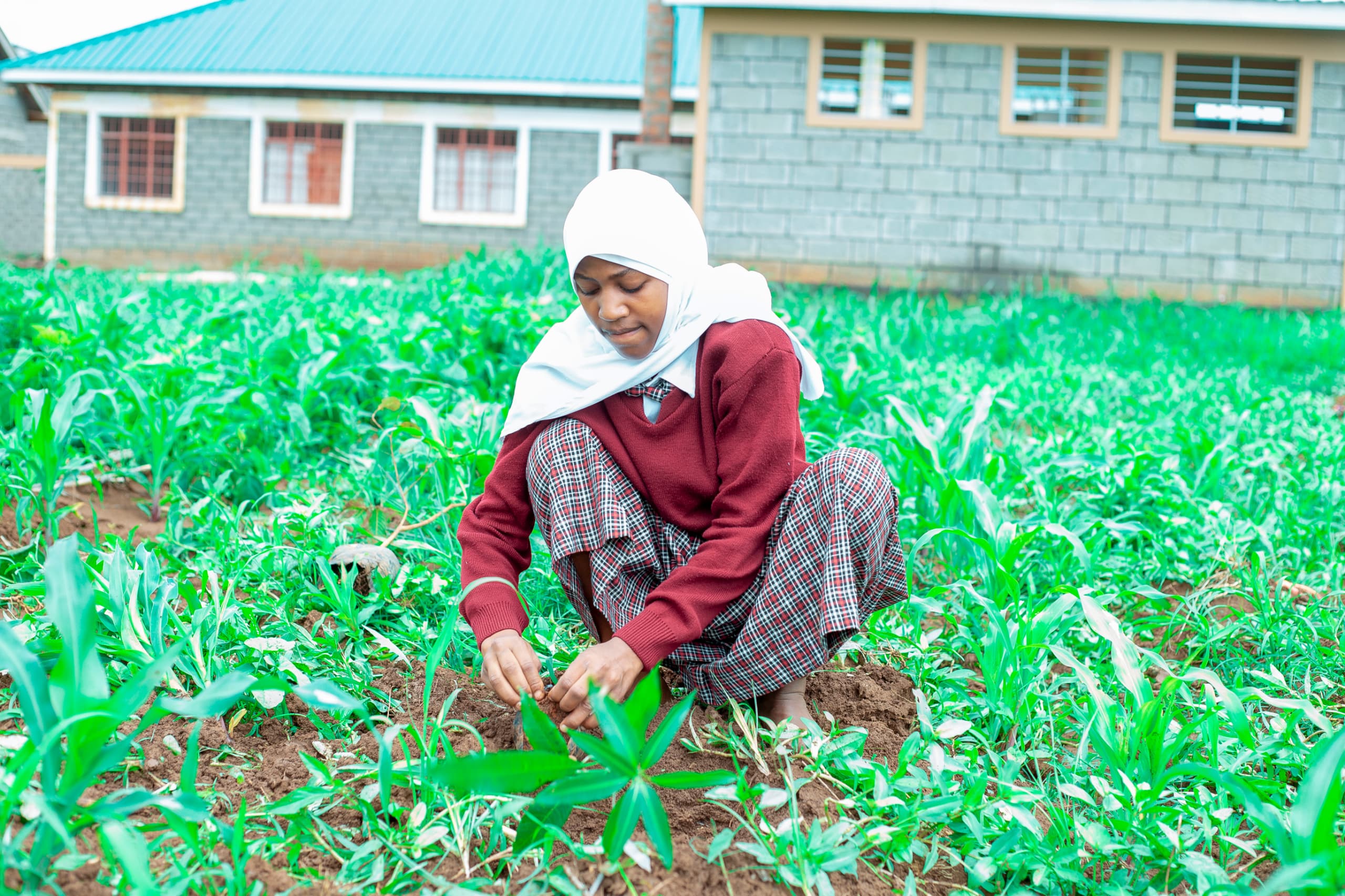
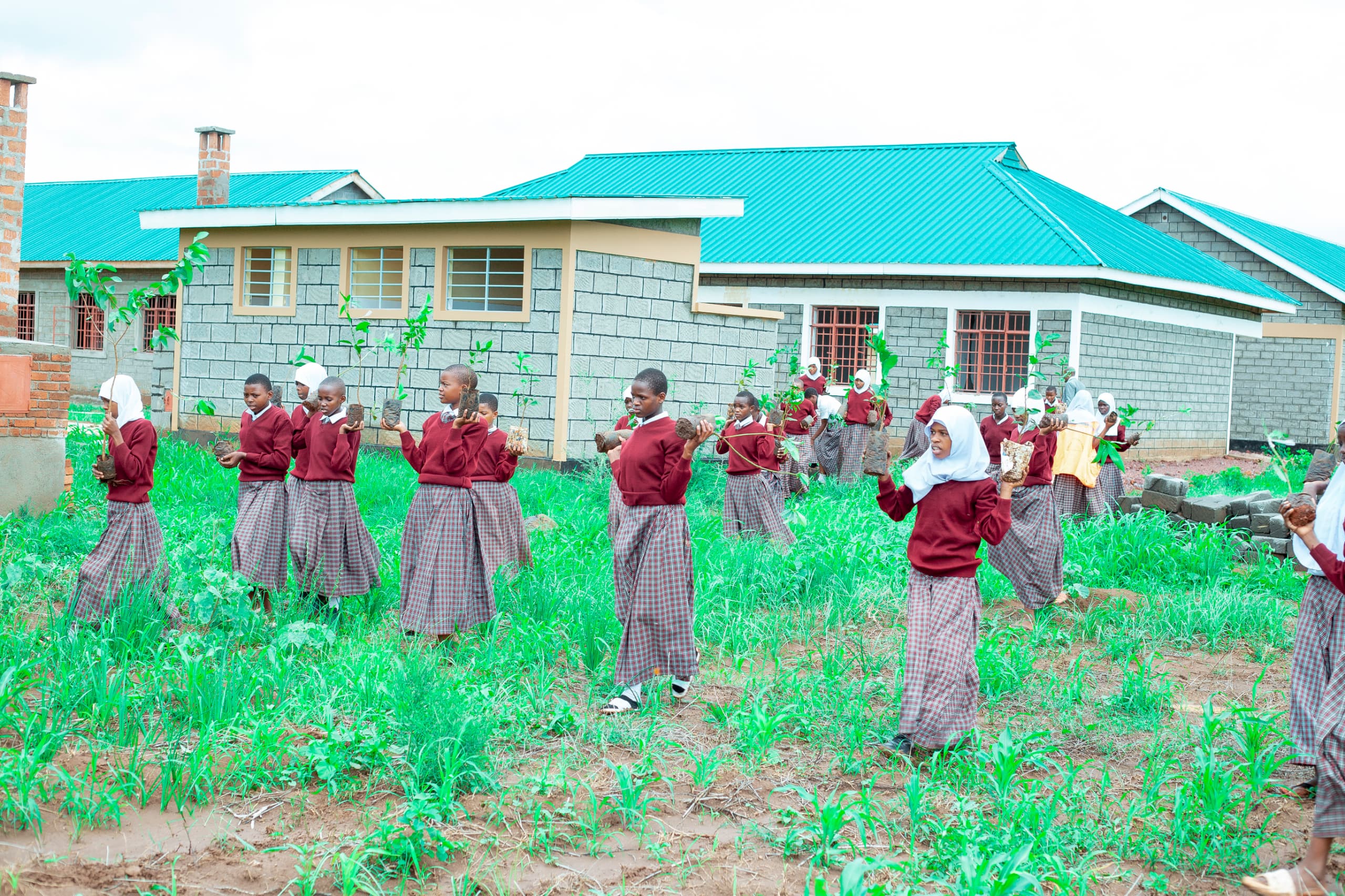
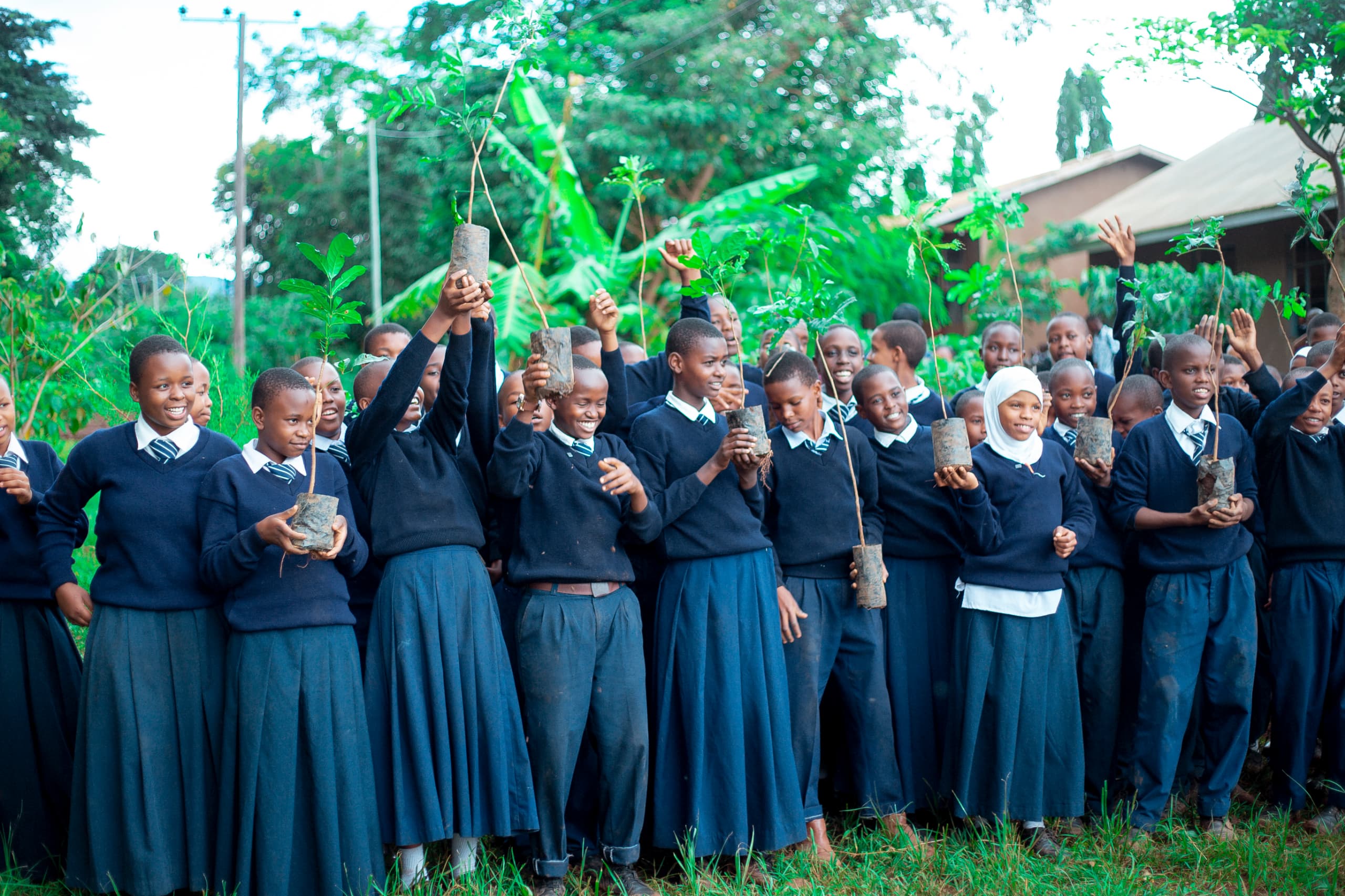
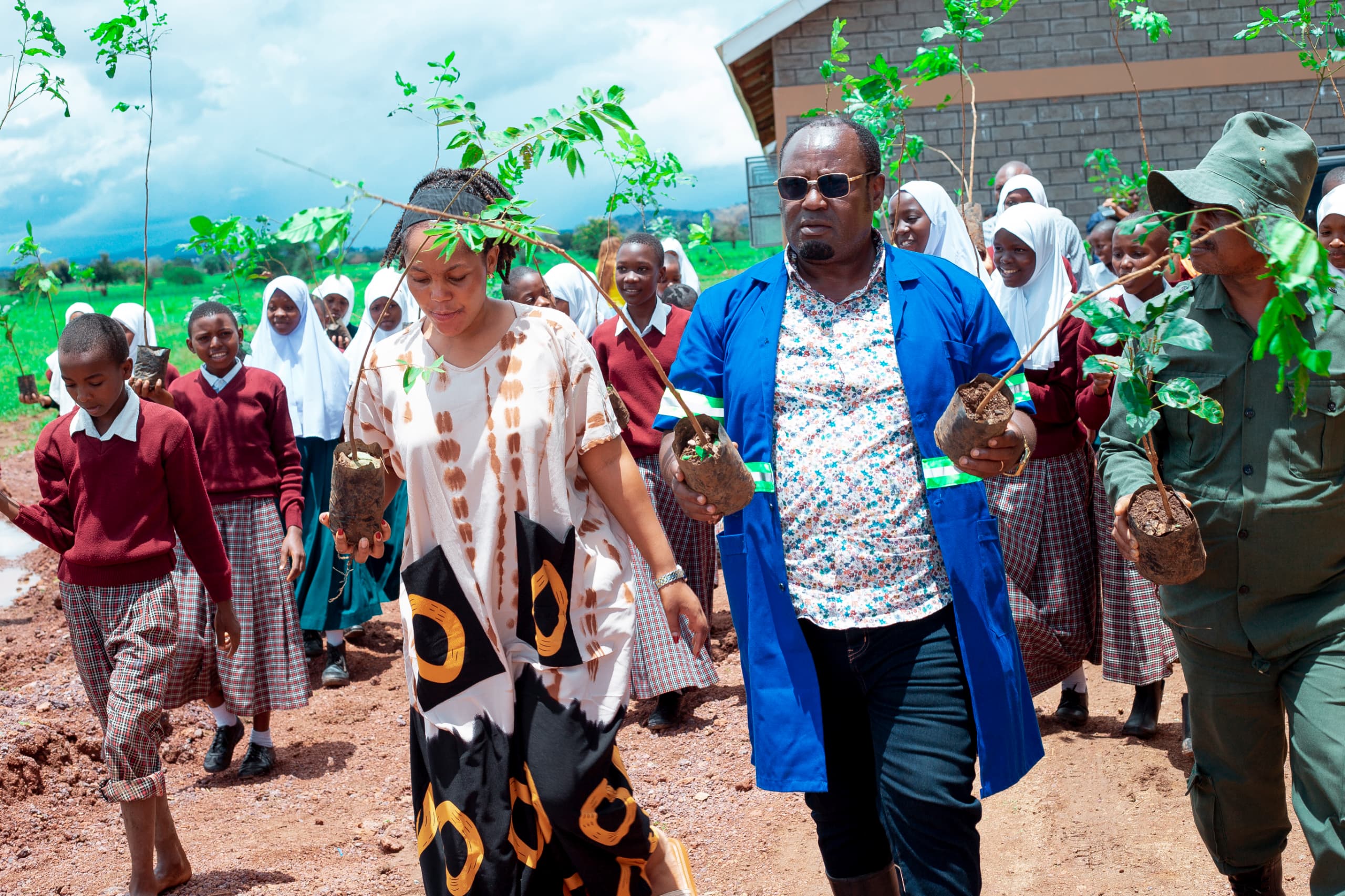
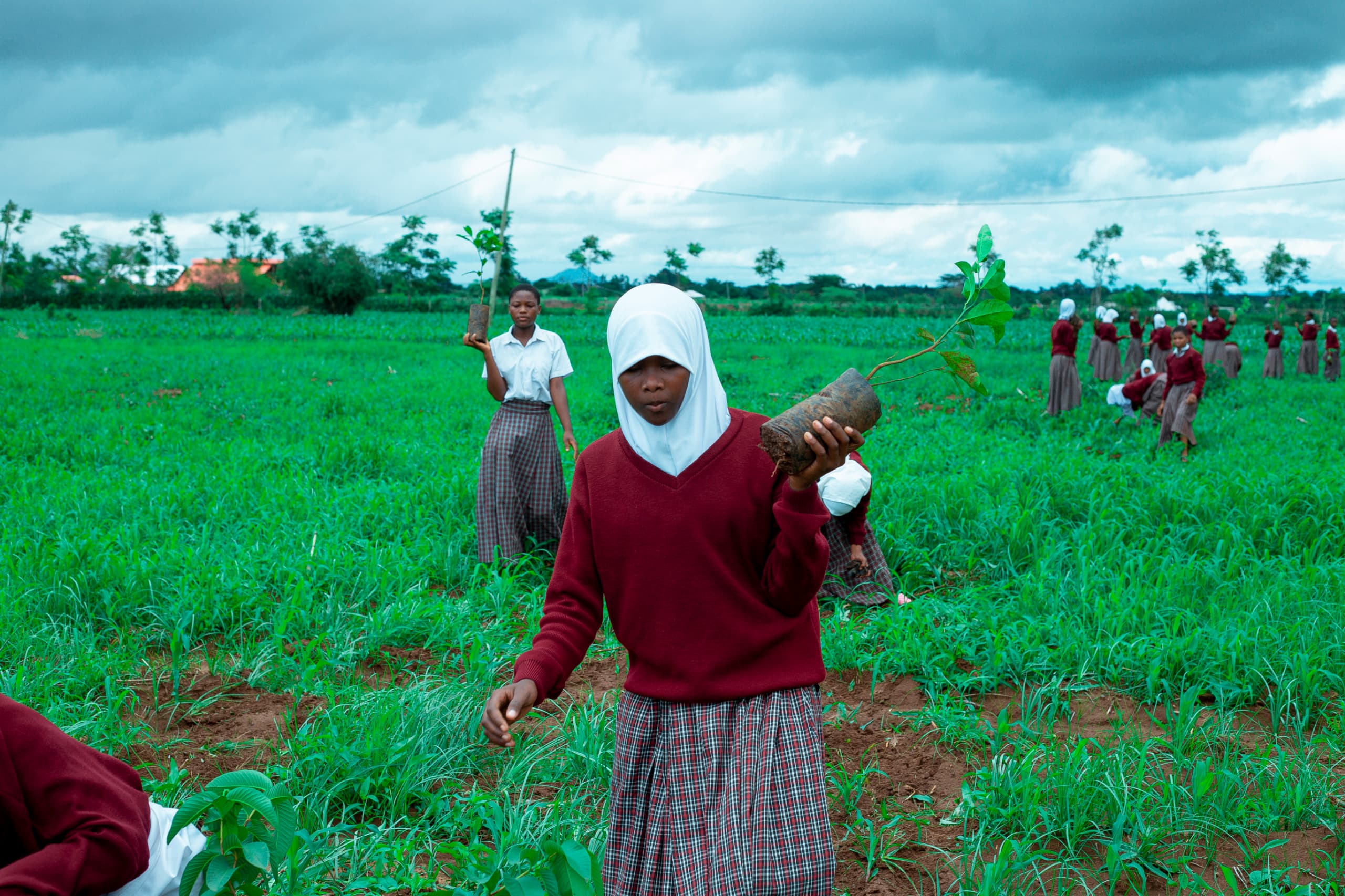
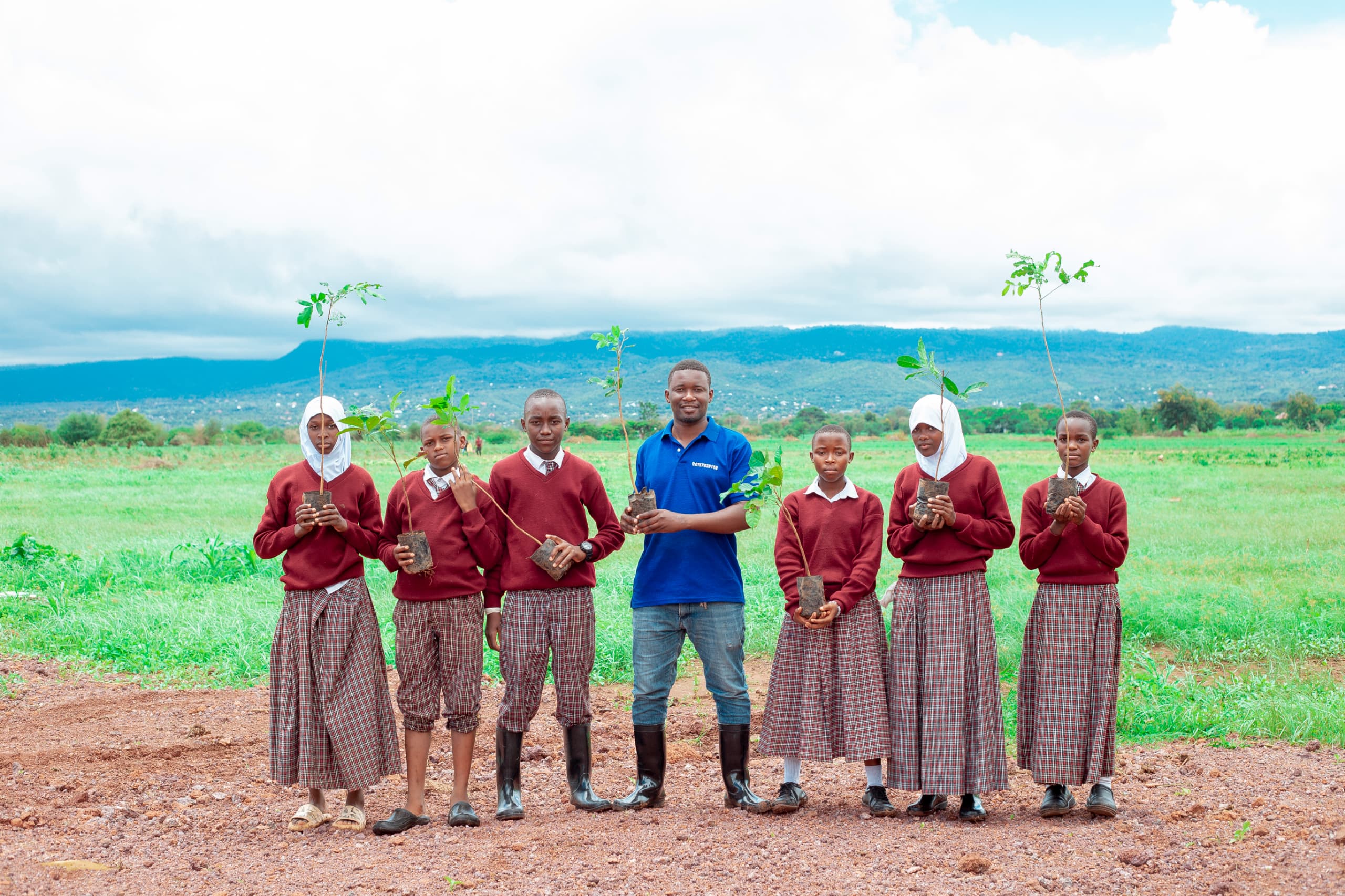
The Greening Schools initiative transforms selected institutions into climate-resilient, health-supportive learning environments through a practical Minimum Viable Climate-Health School Standard. Interventions include reliable water systems, adequate sanitation facilities, shaded microclimates through tree planting, clean cooking technologies, climate-smart school gardens, and improved waste management.
Governance mechanisms such as School Climate-Health Committees ensure maintenance, accountability, and local ownership. Resilient schools protect educational continuity, reduce disease risk, improve comfort and learning conditions, and foster environmental stewardship among students while serving as demonstration sites for surrounding communities.
ii. Smart Climate Health
Climate variability is reshaping public health risks by altering disease patterns, compromising water quality, and increasing exposure to environmental hazards. Health outcomes depend not only on healthcare availability but also on household conditions and behaviors.
The Smart Climate Health initiative strengthens preventive capacity at household and community level through practical measures such as safe water practices, hygiene promotion, maternal and child health preparedness, awareness of environmental health risks, and improved communication with health services. These actions reduce disease incidence, prevent complications, and support timely care-seeking.
Maintaining population health preserves educational participation, productivity, and economic stability. Communities with strong preventive capacity are better able to withstand environmental stress without severe disruption to daily life.
iii. Climate-Resilient Livelihoods
Economic stability is a critical foundation of resilience because households serve as the primary buffer against environmental shocks. Many Tanzanian families depend on climate-sensitive livelihoods vulnerable to rainfall variability and environmental degradation.
The Climate-Resilient Livelihoods initiative strengthens household capacity to withstand and recover from shocks by promoting diversified income opportunities, financial literacy, savings practices, adaptive skills, and community support mechanisms. Stable livelihoods enable continued investment in education, nutrition, healthcare, and safe living conditions even during difficult periods.
Together, the three initiatives form an integrated system for protecting human capital and sustaining development progress in the face of climate uncertainty.