IMPLEMENTATION APPROACH

Home / Our Approach

IMPLEMENTATION APPROACH

Tujijenge Foundation adopts a phased, evidence-driven implementation strategy designed to deliver meaningful results while managing operational risk. As a start-up institution, the Foundation prioritizes depth of engagement over rapid geographic expansion, focusing initially on a limited number of carefully selected communities where strong partnerships can be established and measurable improvements demonstrated.

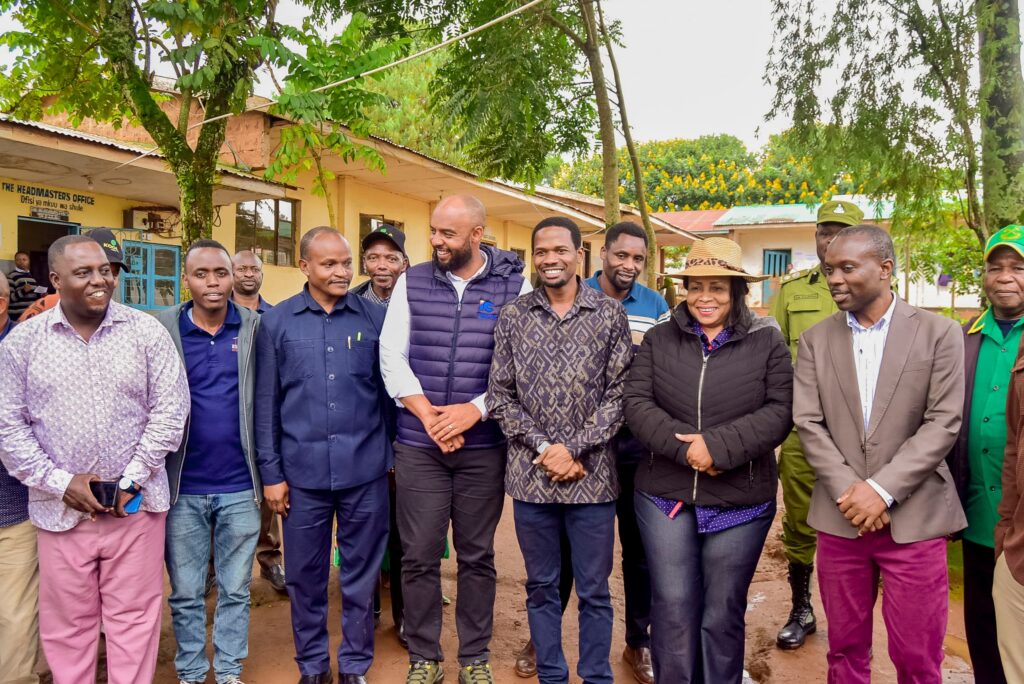
Site selection is guided by a structured assessment of climate vulnerability, infrastructure deficits, socio-economic conditions, population needs, and readiness of local institutions to collaborate. Priority is given to areas where environmental stress intersects with human development challenges, creating opportunities for high-impact interventions that can generate demonstrable lessons for replication.

Implementation follows a sequenced approach. 

FIRST PHASE
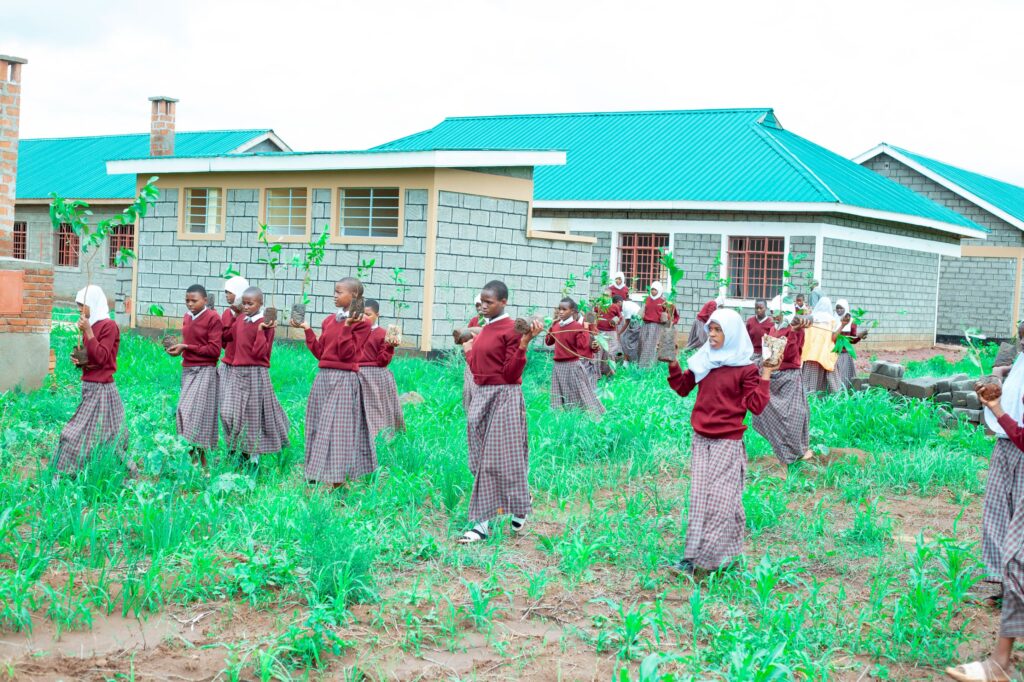
The first phase involves participatory assessments conducted jointly with district authorities, sector departments, community leaders, and institutional stakeholders. This stage identifies priority risks, resource gaps, and locally feasible solutions while ensuring alignment with existing development plans.

SECOND PHASE

Second phase focuses on co-design and planning of interventions. Technical specifications are adapted to local conditions, emphasizing affordability, maintainability, and compatibility with government systems. Capacity-building activities prepare local actors to manage and sustain improvements.

THIRD PHASE

The third phase entails installation or roll-out of interventions, accompanied by technical supervision and community engagement to ensure correct utilization. Emphasis is placed on strengthening local ownership, operational skills, and governance structures.

FINAL PHASE

The final phase involves consolidation and transition to local management. Performance monitoring, problem-solving support, and documentation of lessons learned help ensure sustainability and inform future scale-up. Evidence generated during pilot implementation guides strategic decisions regarding expansion to additional districts or refinement of intervention models. By proceeding incrementally and collaboratively, Tujijenge minimizes the risk of unsustainable projects while maximizing the likelihood of durable impact.
Scroll to Top